How to Determine the Lifespan of a Steel Injection Mold?

Time:2026-07-21 Author:Madeline
0%

When discussing injection molds, one key question arises: what is the lifespan of a steel injection mold? This inquiry is crucial for manufacturers and engineers alike. Understanding the factors that affect mold longevity can lead to better production strategies and cost savings. Steel molds are known for their durability, but several variables play a significant role in determining their effective lifespan.

The quality of the steel, the design of the mold, and the materials being injected all contribute to wear and tear. Molds that endure frequent use or high-pressure applications may wear out more quickly. It's essential to consider maintenance practices as well. Regular inspections and proper care can extend the lifespan considerably.

However, even with the best practices, some molds may still fail prematurely. The unpredictability of wear can challenge even seasoned professionals. Ultimately, knowing the expected lifespan helps in planning for replacements and assessing production efficiency. It's a complex balance of knowledge, experience, and ongoing assessment.
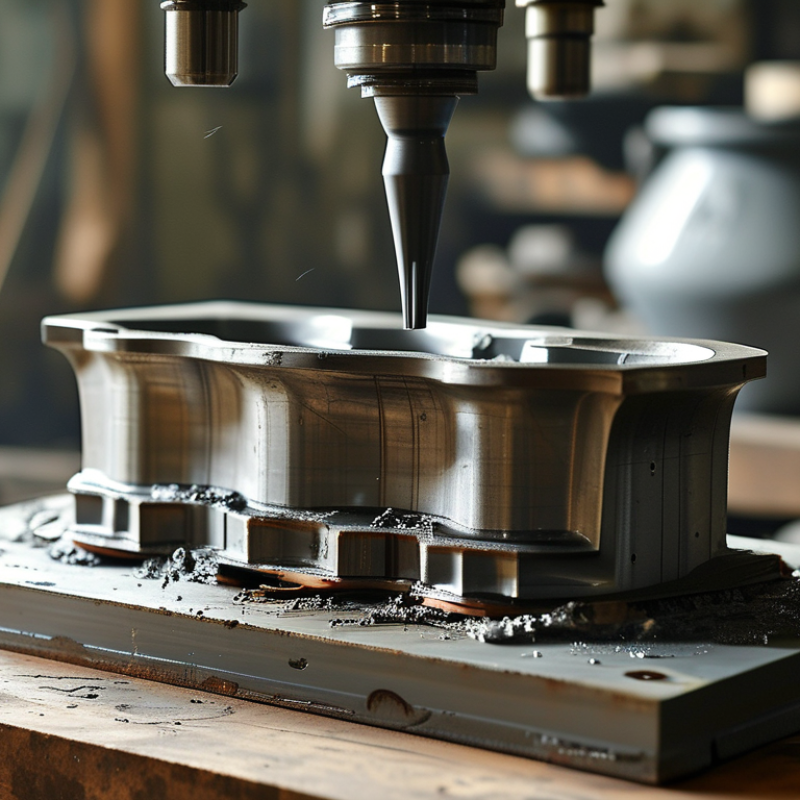
How to Determine the Lifespan of a Steel Injection Mold?

Factors Affecting the Lifespan of Steel Injection Molds

The lifespan of a steel injection mold is influenced by various factors. One significant factor is the material quality of the steel itself. High-quality steel can withstand more cycles, reducing wear and tear. However, poorer quality steel may suffer from premature failure. Choosing the right alloy for specific applications is crucial for longevity.

Another factor is the design of the mold. A poorly designed mold can lead to uneven stress distribution during the injection process. This stress can cause cracks and deformities over time. Proper engineering and simulation during the design phase can minimize these risks. Additionally, cooling channels must be adequately designed to ensure even temperature distribution, preventing hot spots that shorten mold life.

Maintenance practices play a vital role too. Regular inspections can identify wear early on, allowing for timely repairs. Neglecting maintenance can lead to unexpected failures and costly downtime. The use of lubricants and cleaning agents specific to the materials can enhance mold performance. Relying solely on operational data without considering these factors might lead to oversights in improving mold lifespan.

Common Signs of Wear and Tear in Steel Injection Molds

Steel injection molds are essential in manufacturing. Over time, these molds experience wear and tear, which can impact their performance. Recognizing the signs of deterioration is crucial for efficient production.

One common sign of wear is surface discoloration. This often indicates oxidation or corrosion. Regular inspections can reveal these issues early. Another indicator is visible cracks on the mold’s surface. Even minor cracks can lead to significant problems over time. Monitoring these imperfections is vital.

Additionally, dimensional changes can signal mold wear. If parts begin to deviate from specified dimensions, the mold may need maintenance. Excessive flashing on molded parts is another frequent issue that arises. Addressing these signs promptly ensures a longer lifespan for the mold. Understanding these indicators helps safeguard production quality and reduce costs in the long run.

Signs of Wear and Tear in Steel Injection Molds

Maintenance Practices to Extend Mold Lifespan

Maintaining steel injection molds is crucial for maximizing their lifespan and ensuring quality production. Regular maintenance practices significantly impact mold performance. Daily checks for wear and tear can prevent minor issues from escalating. Inspecting mold surfaces for scratches or abrasions ensures they remain smooth. A smooth surface minimizes friction, extending the mold’s life. Moreover, keeping molds clean from debris is vital. Even small particles can cause defects in produced parts.

Lubrication is another essential maintenance practice. Proper lubrication reduces friction and wear on moving parts. It's important to use the right type of lubricant, as improper choices can lead to corrosion. Additionally, after each production run, molds should be thoroughly inspected. Look for signs of fatigue or cracks, which can signal impending failure. Failing to catch these issues early could lead to costly repairs or replacements.

Lastly, environmental factors can affect mold longevity. Humidity and temperatures should be controlled to prevent rust and damage. Store molds in a dry, stable environment to avoid moisture buildup. Even with diligent maintenance, inspecting molds should be a routine part of the process. Reflecting on these practices helps identify areas for improvement. Regular evaluation ensures that maintenance strategies evolve with the molds’ needs.

Testing and Monitoring Techniques for Mold Durability

Monitoring the durability of a steel injection mold requires specific techniques. Regular inspections and testing play a critical role in assessing mold lifespan. Visual examinations can identify surface wear, cracks, or erosion that affect performance. Using a microscope can reveal small defects that may lead to larger issues.

Advanced techniques like non-destructive testing (NDT) are essential. Methods like ultrasonic testing can detect internal flaws invisible to the naked eye. These inspections should be scheduled based on the mold's usage. Frequent production runs might necessitate tighter monitoring intervals. Striking a balance between too much and too little inspection can be tricky.

Implementing a data tracking system can also enhance awareness. Collecting data on cycle times and material usage allows for trend analysis. If there are noticeable changes in performance, it may indicate wear. Regular communication with the production team is vital. Feedback on mold performance helps refine testing protocols. Each monitoring technique offers insights but comes with challenges. Maintaining accurate records requires diligence and consistent effort.

Assessing Cost-Effectiveness of Mold Lifespan Management

When assessing the cost-effectiveness of mold lifespan management, understanding key factors is essential. A steel injection mold’s lifespan depends on design, usage, and maintenance. Proper management can yield significant savings over time. It’s not only about production efficiency but also about long-term investment.

Regular inspections can identify signs of wear early. Addressing small issues before they escalate is crucial. Having a structured maintenance schedule keeps molds in optimal condition. This prevents unexpected downtime, ensuring steady production. Use the right lubricant to enhance durability and reduce friction.

Here are a few tips. Monitor the temperature during production for optimal results. Make sure to document all maintenance activities. These records provide insight into mold performance. Adjusting your usage patterns can extend the life cycle. Analyzing and reflecting on the mold's performance can unveil areas for improvement. Every detail matters in ensuring your investment continues to pay off.

How to Determine the Lifespan of a Steel Injection Mold? - Assessing Cost-Effectiveness of Mold Lifespan Management

Mold Material Typical Lifespan (Cycles) Cost per Cycle Total Cost (for Full Lifespan) Maintenance Frequency (Months)
H13 Steel 500,000 $0.50 $250,000 6
P20 Steel 300,000 $0.75 $225,000 8
S7 Tool Steel 400,000 $0.65 $260,000 12
A2 Tool Steel 350,000 $0.70 $245,000 10

FAQS

: What are common signs of wear and tear in steel injection molds?

: Common signs include surface discoloration, visible cracks, and dimensional changes in molded parts.

Why is surface discoloration important?

Surface discoloration often indicates oxidation or corrosion, which can affect mold performance.

How can I prevent minor issues in molds from escalating?

Conduct daily checks for wear and tear. Inspect mold surfaces for scratches and keep them smooth.

What happens if molds are not kept clean?

Small debris can lead to defects in the parts produced. Cleanliness is crucial for quality.

Why is proper lubrication vital for molds?

Proper lubrication reduces friction and wear on moving parts, extending their lifespan and improving performance.

How should molds be stored to prevent damage?

Store molds in a dry, stable environment to avoid moisture buildup and potential rust.

What testing techniques help assess mold durability?

Regular visual inspections, microscopic examinations, and non-destructive testing are effective techniques.

How can I monitor changes in mold performance?

Implement a data tracking system to record cycle times and material usage for trend analysis.

What challenges do monitoring techniques present?

Balancing inspection frequency and maintaining accurate records require diligence and consistent effort.

How can communication improve mold monitoring?

Regular feedback from the production team can help refine testing protocols and identify issues early.

Conclusion

The article "How to Determine the Lifespan of a Steel Injection Mold?" explores critical aspects that influence the longevity of steel injection molds. Understanding what is the lifespan of a steel injection mold involves examining various factors such as the material quality, design intricacies, and operating conditions. The article also highlights common signs of wear and tear that can indicate when maintenance is necessary.

To proactively extend the mold's lifespan, effective maintenance practices are outlined, including regular cleaning and proper lubrication. Additionally, testing and monitoring techniques are suggested to assess mold durability accurately. Lastly, the article discusses the cost-effectiveness of managing mold lifespan, emphasizing that investing in proper care can lead to significant long-term benefits and savings for manufacturing operations.

Madeline

Madeline

Madeline is a dedicated marketing professional with a wealth of expertise in our company's core offerings. With a keen understanding of the industry, she brings a unique perspective to her role, consistently delivering high-quality content that highlights the superior aspects of our products. As......