In the competitive realm of plastic injection molding, minimizing defects is crucial. One prevalent issue is flash, which can compromise product quality and aesthetics. Understanding how to reduce flash in plastic injection molding is essential for manufacturers aiming for optimal results.
Flash occurs when molten plastic escapes the mold cavity during injection. This can happen for various reasons, such as improper clamping force or material issues. Addressing these factors is vital for efficiency and precision. By examining specific methods to prevent flash, manufacturers can improve their processes significantly.
Controlling variables such as temperature and pressure plays a key role in reducing flash. It's important to remain vigilant and refine your techniques. Many experienced professionals acknowledge that small adjustments can lead to significant improvements. This continuous pursuit of excellence is what drives the industry forward, although not all attempts may yield successful outcomes. Embracing a mindset of reflection and learning is necessary for lasting success.
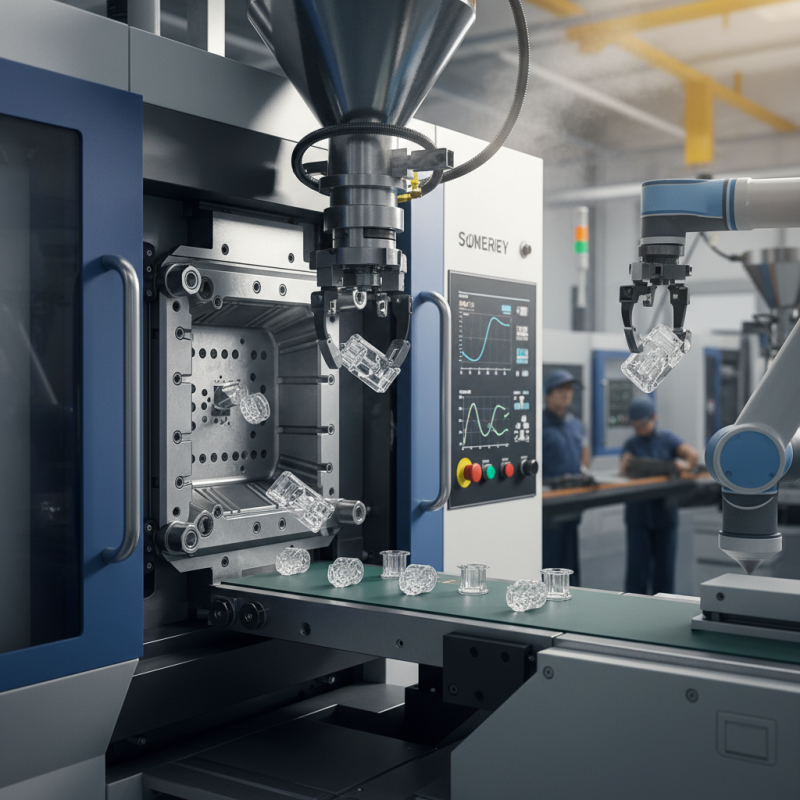
Flash is a common issue in plastic injection molding that can affect the final product's quality. It refers to excess material that flows outside the mold’s intended cavity. This defect can lead to costly rework and dissatisfaction among customers. To truly understand flash, it's essential to explore its causes, such as improper clamping force and insufficient cooling. Addressing these factors can help enhance production efficiency.
Reducing flash involves careful attention to mold design and maintenance. Worn or misaligned molds are often culprits. Regular inspections can reveal potential issues early on. Additionally, optimizing injection speed and pressure is crucial to control material flow. Adjusting these parameters helps maintain the desired dimensions of the final product. Experimentation and testing different settings often result in improved outcomes. Embracing a proactive approach also includes training operators to recognize signs of flash effectively.
It's important to acknowledge that even with the best strategies, flash may still occur. Continuous reflection and adjustments are necessary. Regular feedback loops from production can provide insights into persistent issues. Engaging with experienced professionals in the field can offer valuable guidance. Collaboration and open communication within teams lead to continual improvement in reducing flash.
| Method | Description | Effectiveness | Cost |
|---|---|---|---|
| Adjust Mold Design | Modify the mold to allow better material flow and minimize trapped air. | High | Moderate |
| Optimize Injection Speed | Adjust the injection speed to reduce turbulence and flash. | Medium | Low |
| Control Cooling Rates | Ensure uniform cooling to prevent stress and warping in the mold. | High | Medium |
| Increase Clamping Force | Use higher clamping force to ensure that the mold remains shut during injection. | High | High |
| Use Proper Venting | Add vents in the mold to allow air escape, preventing flash. | Medium | Low |
| Select Suitable Materials | Choose materials with appropriate viscosity for the application. | High | Low |
| Monitor Temperature | Keep proper temperature settings for both mold and melt. | Medium | Medium |
| Regular Maintenance | Perform regular maintenance on molds to ensure proper function. | High | Medium |
| Adjust Injection Pressure | Optimize pressure settings to minimize flash without causing defects. | Medium | Low |
| Review Cycle Time | Analyze and optimize cycle time to reduce flash occurrence. | Medium | Medium |
: Flash occurs due to improper mold alignment, high injection pressure, and temperature variations.
Even slight misalignment can cause material to leak from the mold, creating unwanted flash.
Excessive injection pressure can force materials into unintended areas, leading to flash.
Optimizing injection speed allows for a more even fill and reduces the risk of defects.
High temperatures can cause excessive fluidity, while low temperatures may lead to incomplete filling.
Low hold pressure may let material flow back, whereas high hold pressure can create different issues.
Regular evaluations are crucial, but finding the right settings can be challenging and requires diligence.
Yes, if injection speed is too high, it can lead to defects despite reducing flash potential.
No, achieving consistency is challenging and often requires ongoing adjustments and monitoring.
No, each material may have unique requirements, making customization essential for optimal results.
In the realm of plastic injection molding, understanding how to reduce flash is crucial for enhancing product quality and efficiency. Flash is often a result of improper mold design, material behavior, or injection process parameters. Common causes include insufficient clamping force, poor mold alignment, and excessive material temperature. To mitigate these issues, optimizing mold design by ensuring precise fit and using appropriate materials can be effective. Additionally, adjusting injection parameters such as speed, pressure, and cooling time plays a significant role in minimizing flash formation.
Beyond the design and injection process, post-processing solutions can also help eliminate any residual flash, ensuring a smoother final product. Techniques such as trimming or sanding can be applied to remove flash after molding. By implementing these strategies, manufacturers can significantly improve production quality and reduce waste, ultimately leading to better operational efficiency in plastic injection molding.

 Ohio Machine