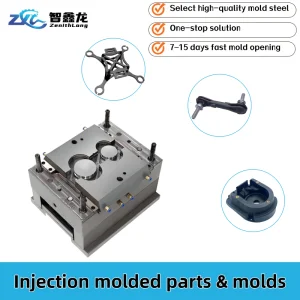
In the rapidly scaling era of 5G infrastructure, satellite internet networks, and forthcoming 6G paradigms, the global telecommunication sector relies completely on hyper-precision engineering, high-durability polymers, and aerospace-grade structural alloys.
China's manufacturing prowess is not merely built on scale; it is rooted in vertical integration. From local raw chemical synthesis for flame-retardant polymers to ultra-precision multi-axis CNC machine centers, every link in the supply chain lies in close geographic proximity. This proximity compresses prototyping cycles from several weeks to mere days.
Modern telecommunications hardware requires exceptional thermal management and signal permeability. The integration of high-strength titanium-aluminum alloys (such as Alumold 500) and advanced double-injection polymers allows manufacturers to craft complex structural frames that resist corrosion, provide optimal RF shielding, and survive high mechanical stresses.
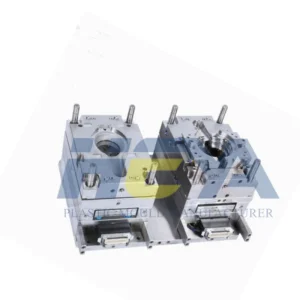
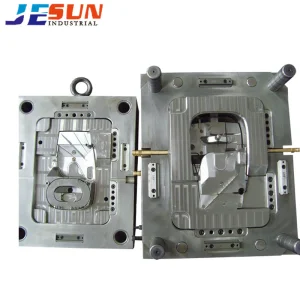
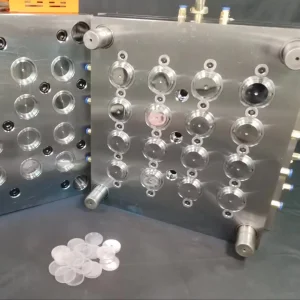
By utilizing multi-cavity hot-runner tooling configurations and highly automated plastic injection molding cells, Chinese factories maximize throughput while driving unit defect rates down to parts-per-million (PPM) thresholds. This high-efficiency capacity represents the backbone of global deployments of complex consumer-facing hardware.
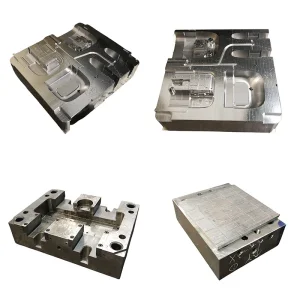
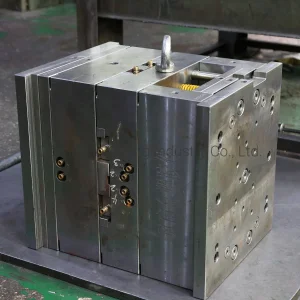
At the absolute heart of China's advanced manufacturing capabilities stands Suzhou Ohio Machinery Co., Ltd., a professional enterprise specialized in producing high-precision mold bases, customized components, and raw industrial steel processing solutions for aerospace, consumer electronics, and global telecommunication infrastructure sectors.
Suzhou Ohio Machinery Co., Ltd. is a professional manufacturer and supplier dedicated to precision machinery components, mold manufacturing solutions, and high-quality industrial materials. Located in Suzhou, one of China's most advanced manufacturing hubs, the company serves customers worldwide with reliable products, advanced technology, and comprehensive engineering support.
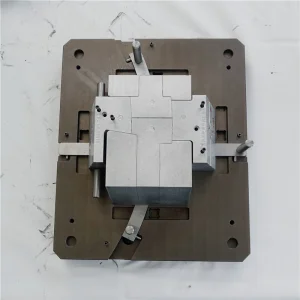
The company specializes in the production and processing of high-precision mold bases, customized mold components, precision machined parts, and related industrial products. Its products are widely used in various industries, including consumer electronics (3C), medical devices, food packaging, cosmetics, automotive manufacturing, home appliances, office supplies, and other precision engineering sectors.
In addition to mold base manufacturing, Suzhou Ohio Machinery Co., Ltd. provides a wide range of domestic and imported mold steels and industrial raw materials. The product portfolio includes plastic mold steel, hot-work tool steel, cold-work tool steel, high-speed steel, stainless steel, and various customized materials required for precision machining and mold production. Through a stable supply chain and strict quality control system, the company ensures consistent material quality and reliable delivery performance.
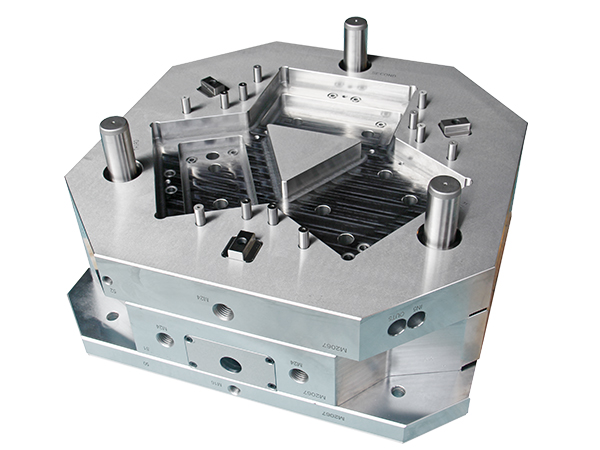
The company has established a highly skilled technical team with extensive experience in precision machining, mold manufacturing, engineering design, and quality management. With strong technical capabilities and continuous investment in advanced manufacturing technologies, Suzhou Ohio Machinery Co., Ltd. is able to provide customers with customized solutions that meet demanding precision and performance requirements.
To ensure product quality and operational excellence, the company operates under a comprehensive quality management system and follows international manufacturing standards. Every stage of production—from material selection and machining to inspection and final delivery—is strictly controlled to guarantee product reliability, dimensional accuracy, and long-term performance.
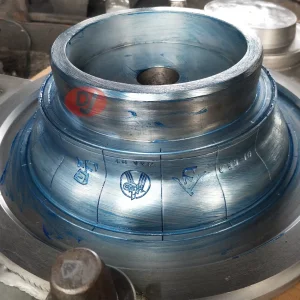
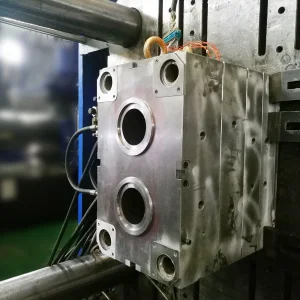
Global telecommunications buyers frequently overlook a fundamental principle: telecommunication hardware is only as precise as the tooling that manufactures it. Radomes, high-frequency antenna filters, terminal housings, and optoelectronic transceivers are subject to stringent physical limits. A slight tool deviation of 15 microns can cause radio frequency leakage, assembly stress fractures, or water-ingress seal failures. By utilizing raw material bases like Alumold 500 or premium tooling steels coupled with state-of-the-art multi-axis CNC machines, companies like Suzhou Ohio Machinery Co., Ltd. create structural molds that eliminate micro-voids and deliver absolute dimensional consistency across hundreds of thousands of manufacturing cycles.
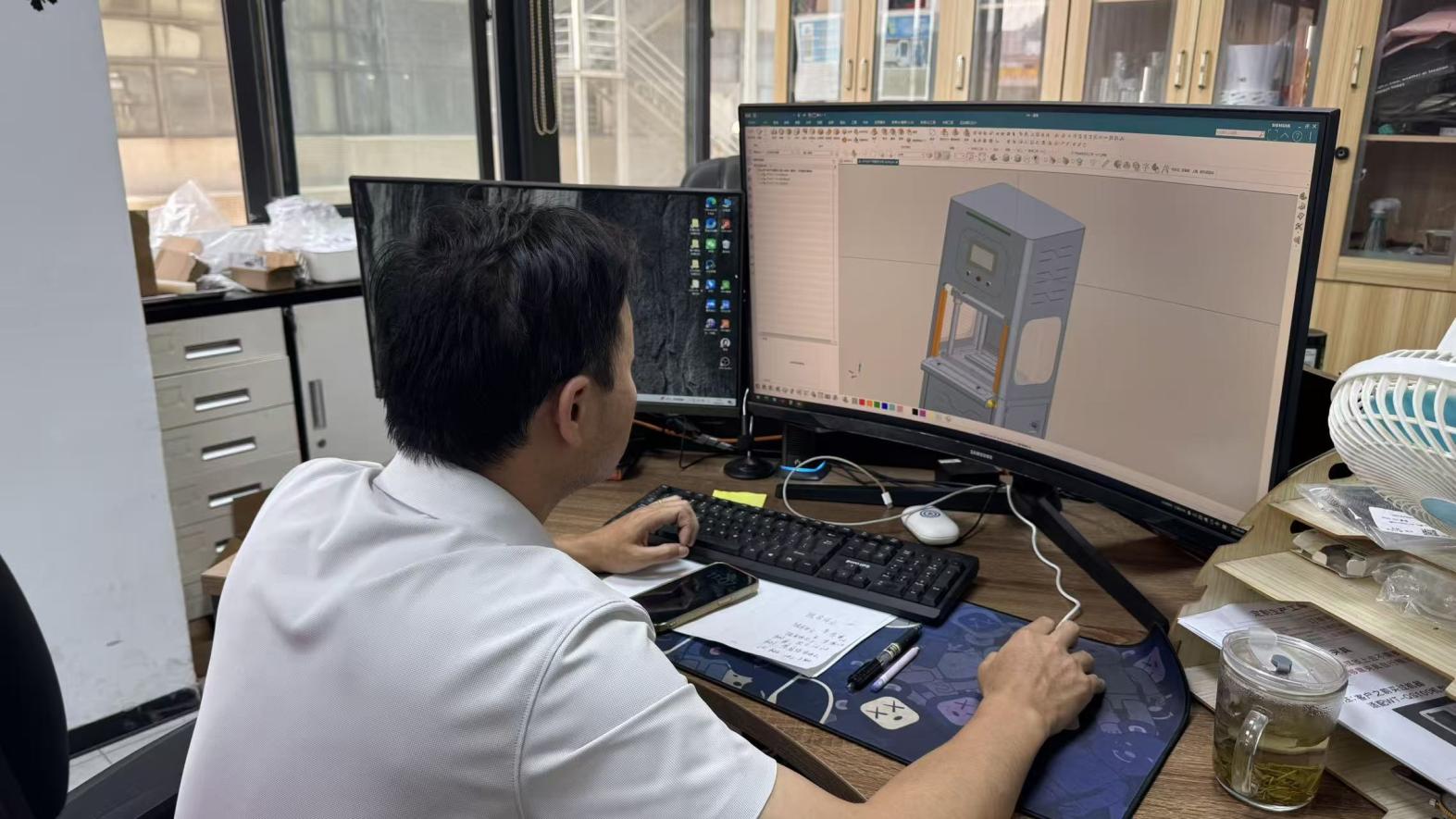
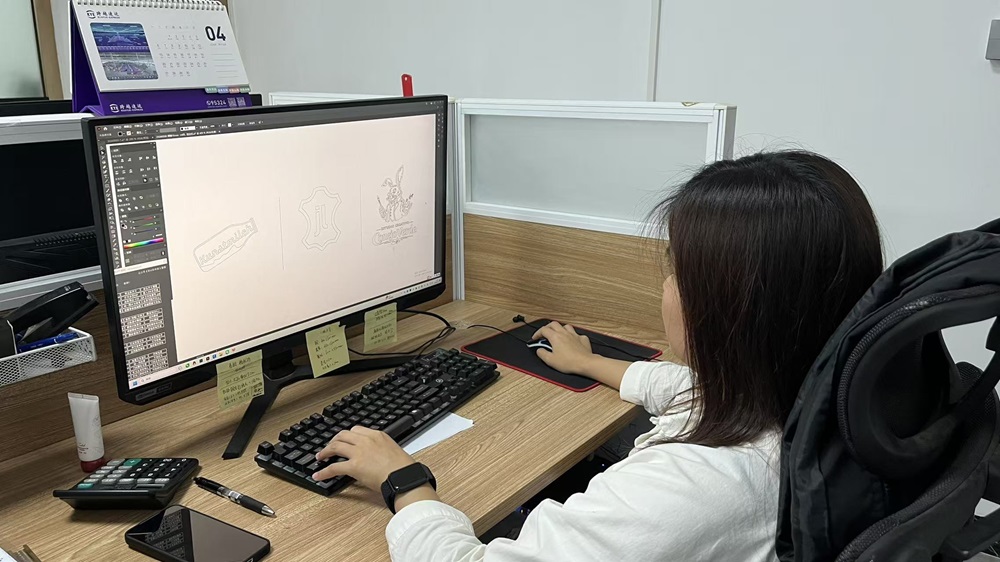
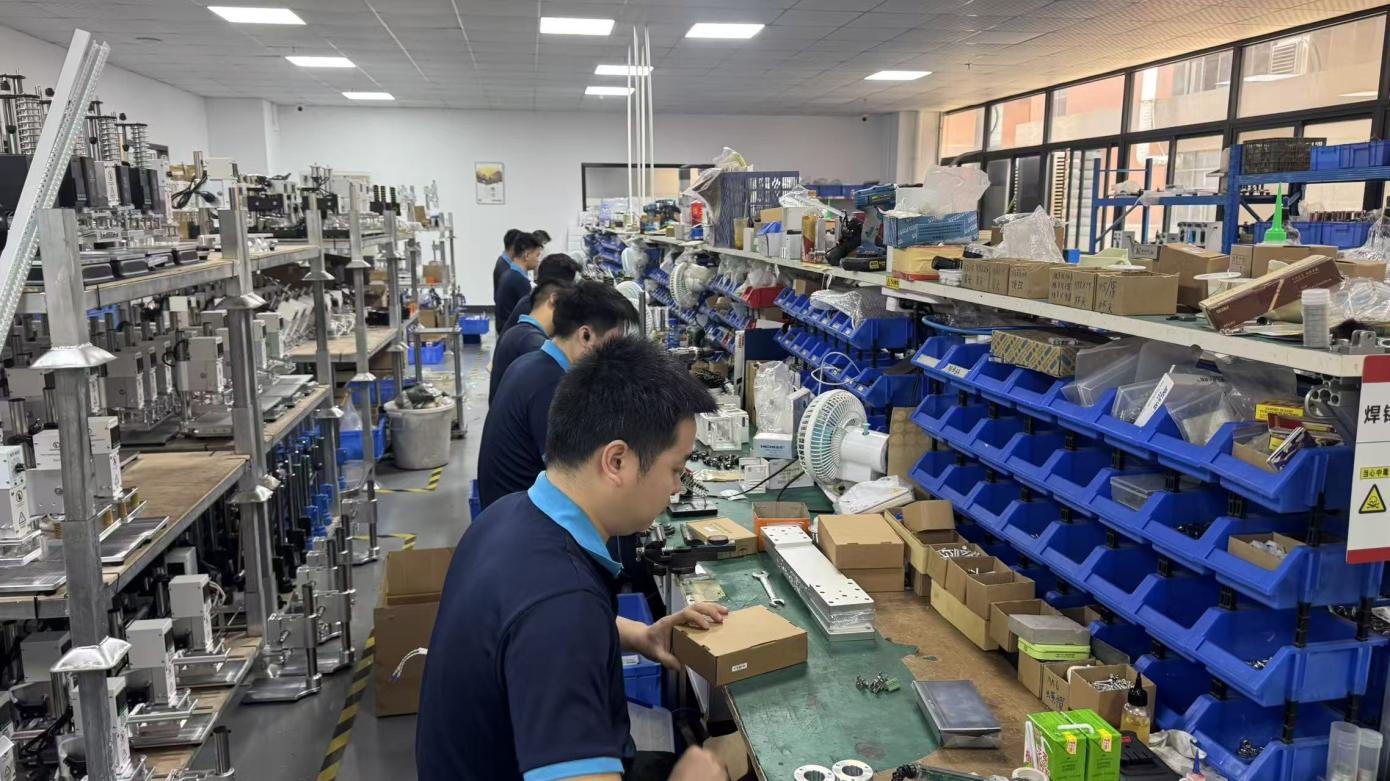
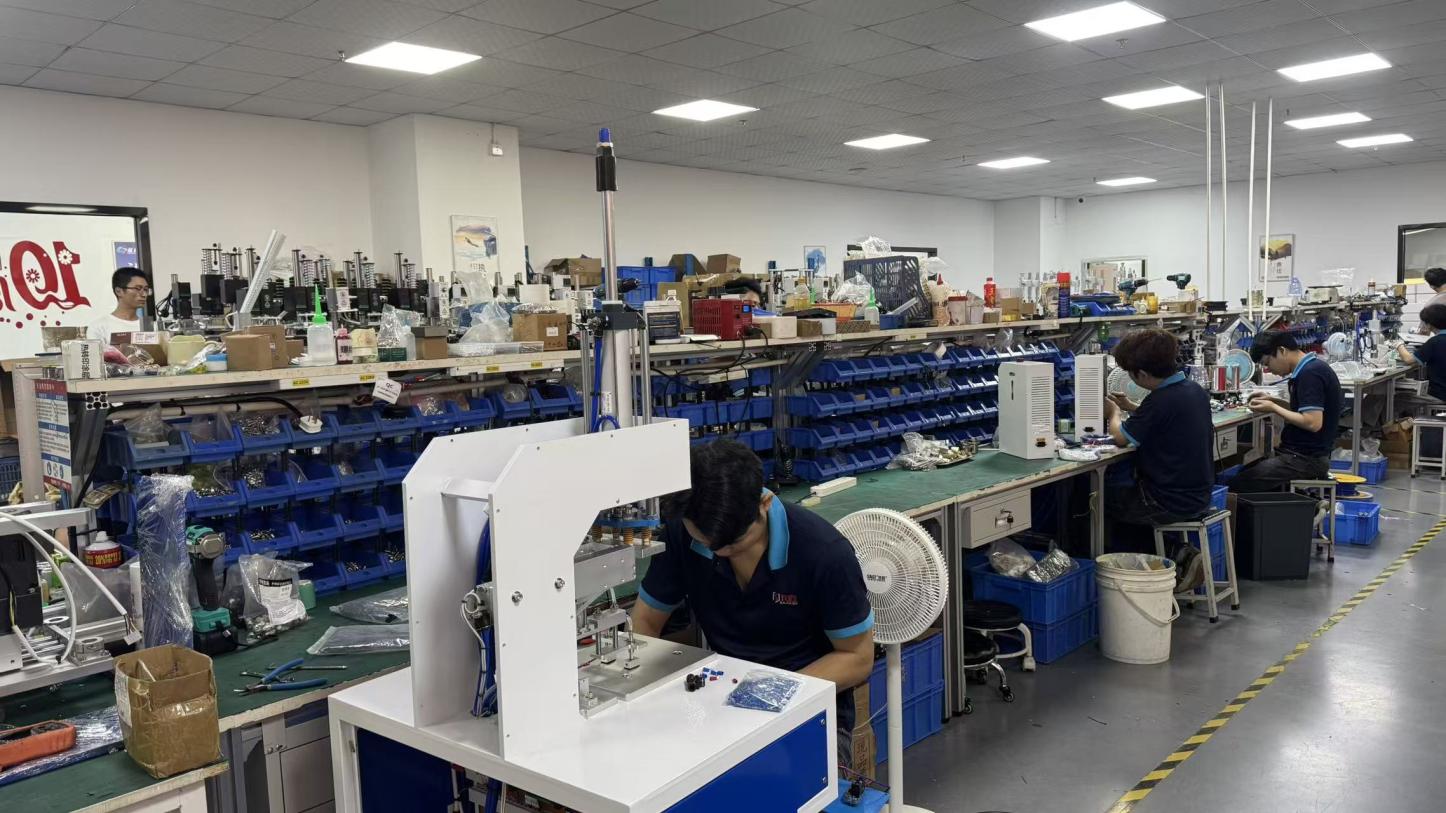
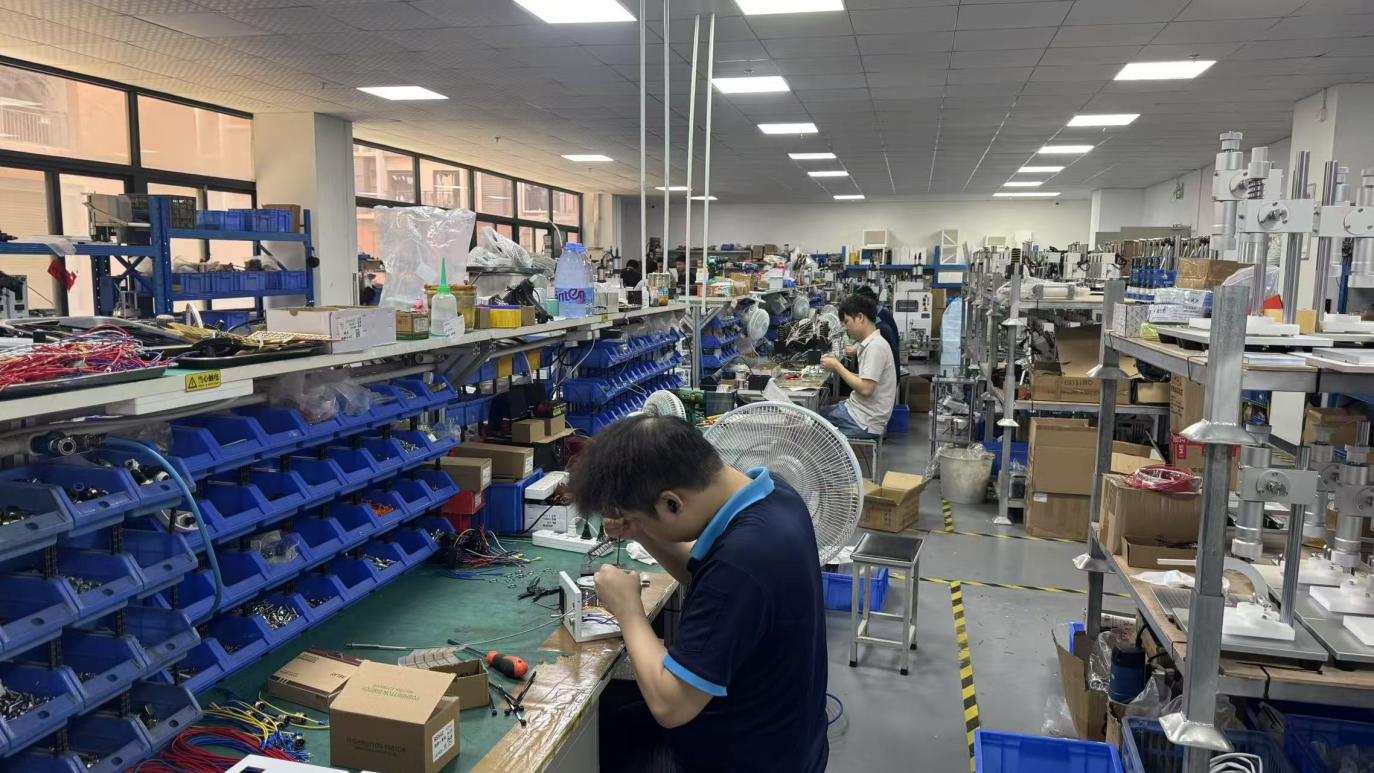
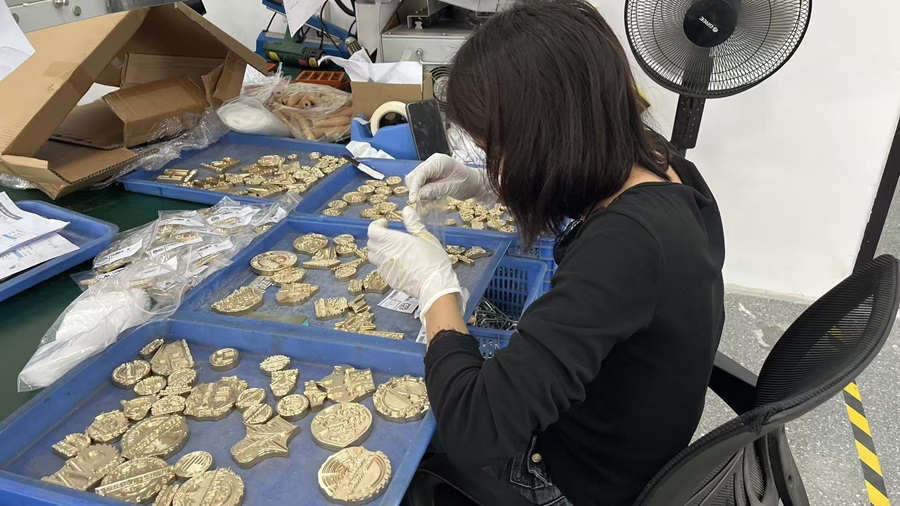
Take a walk through our specialized process flow—from visual and structural concept R&D, structural programming, down to multi-step assembly, precision engraving, finish machining, and meticulous quality inspection before final global shipment.
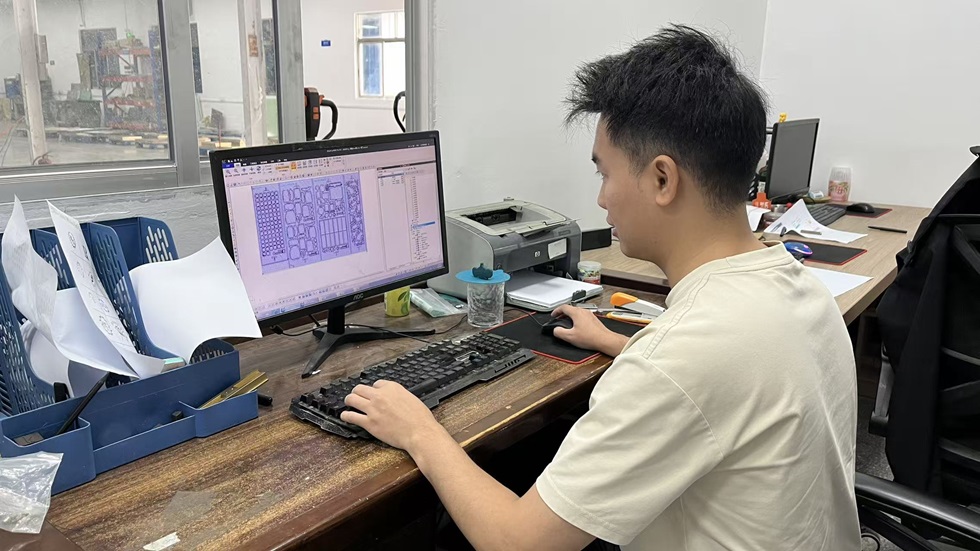
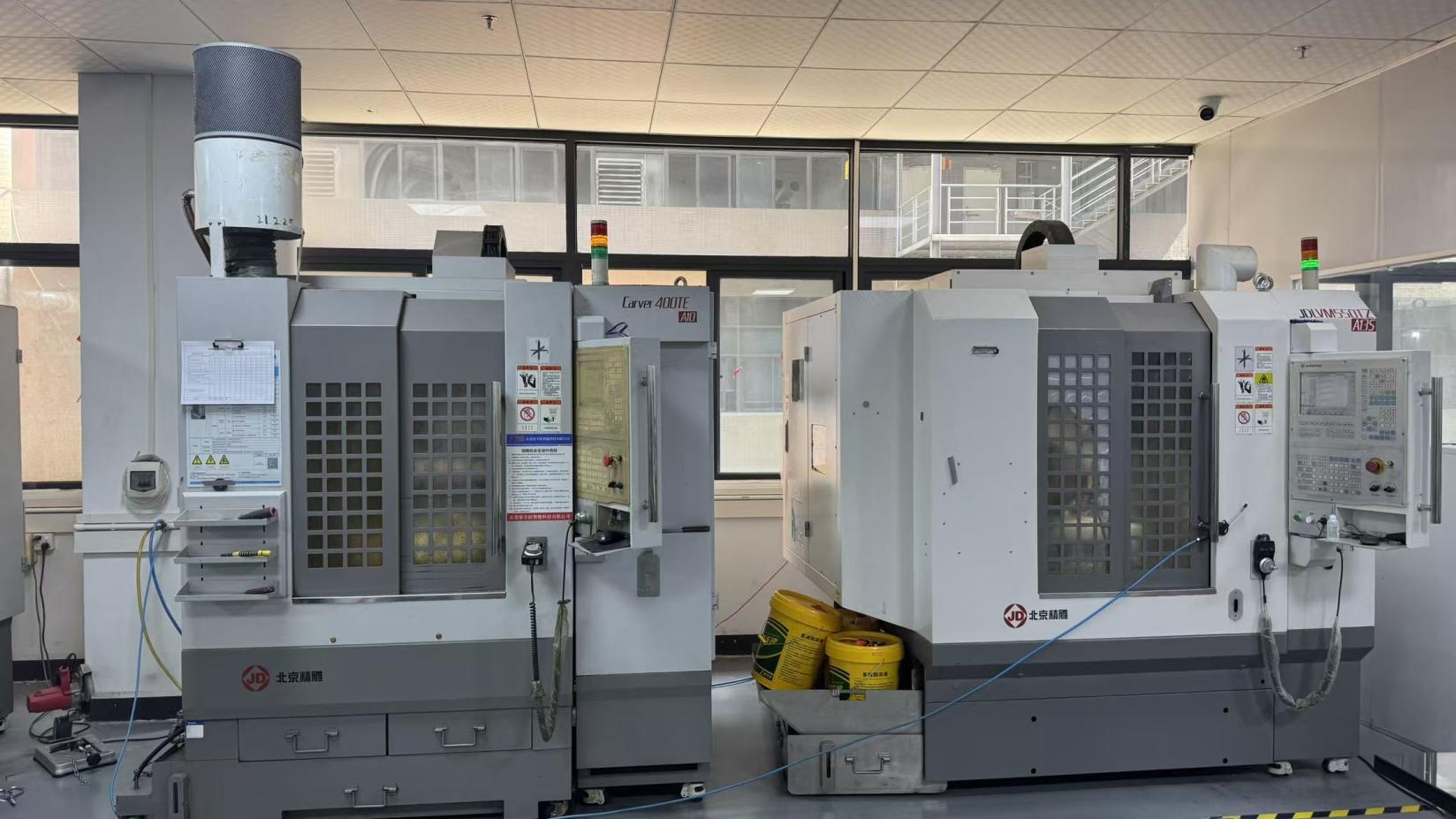
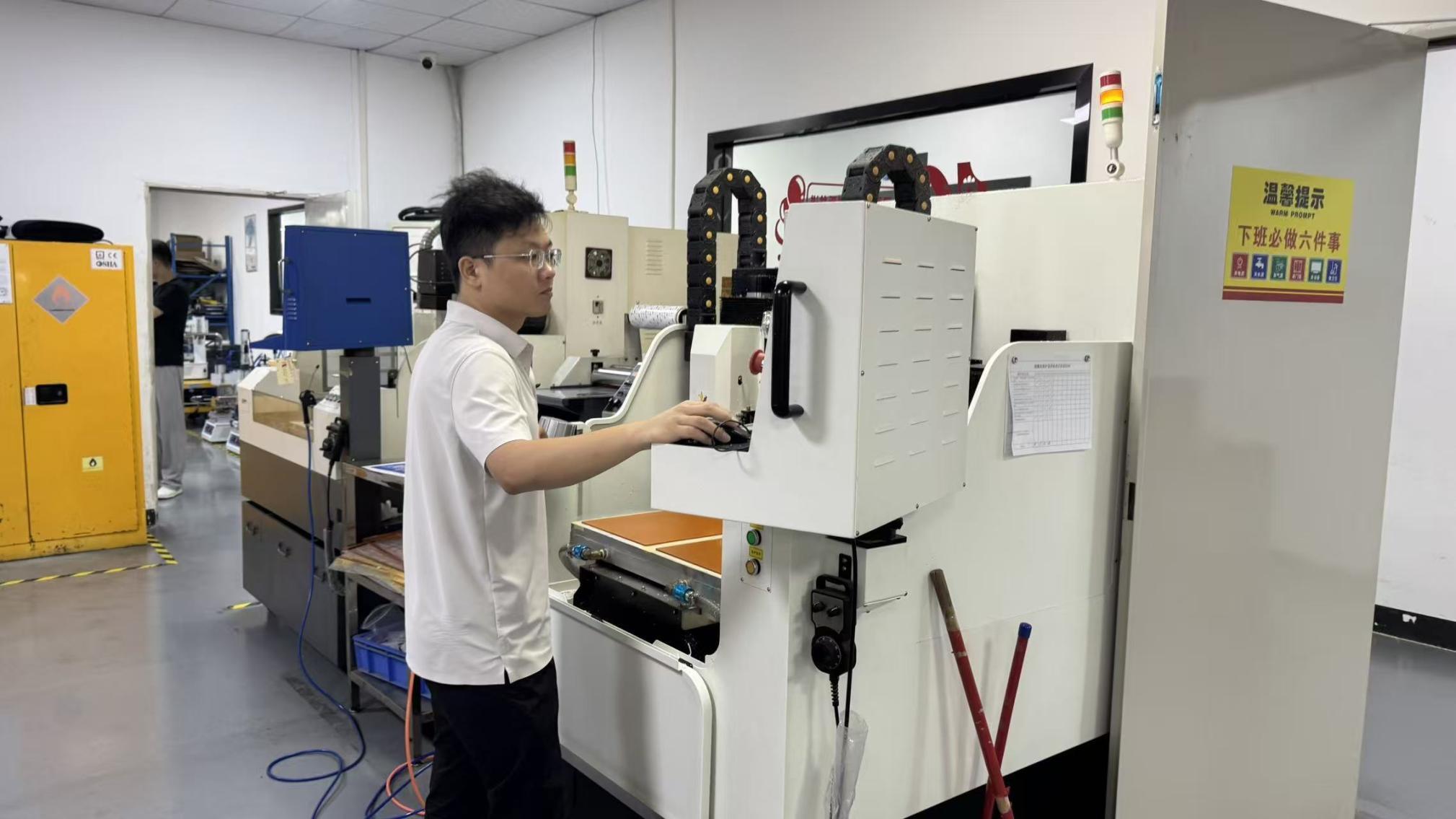
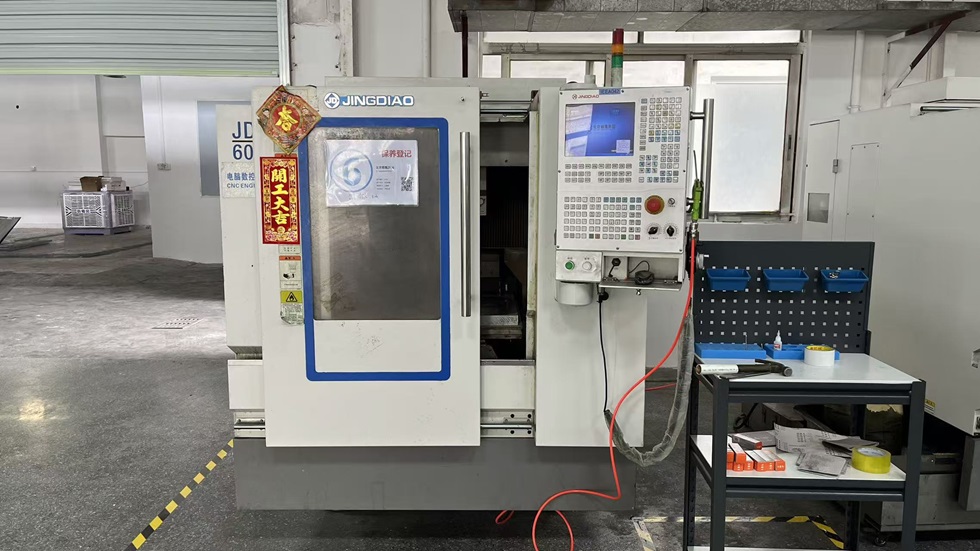
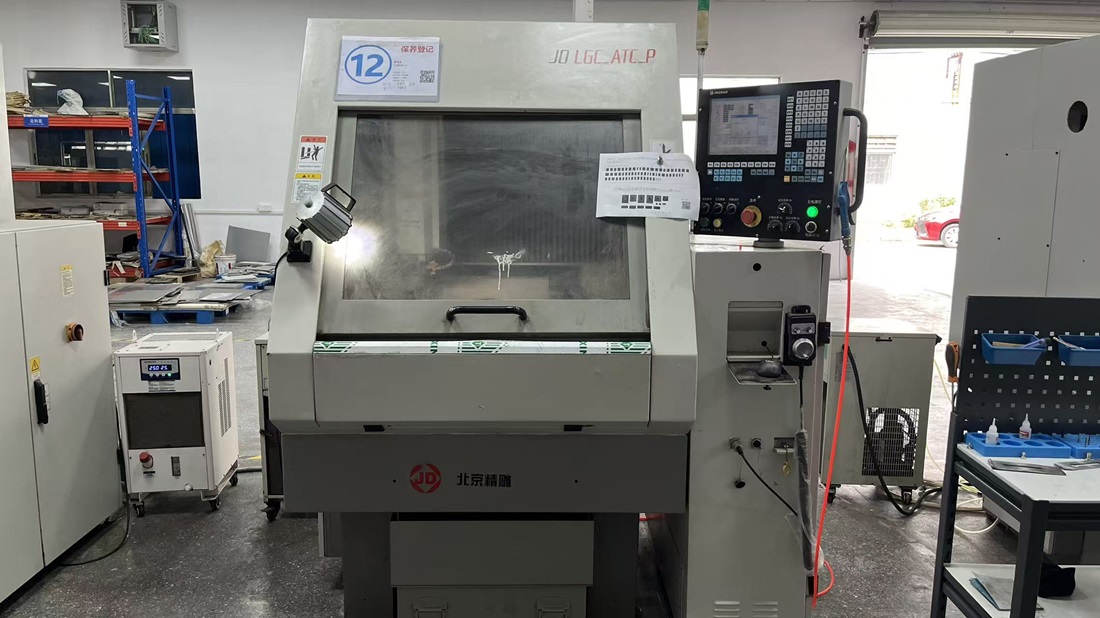
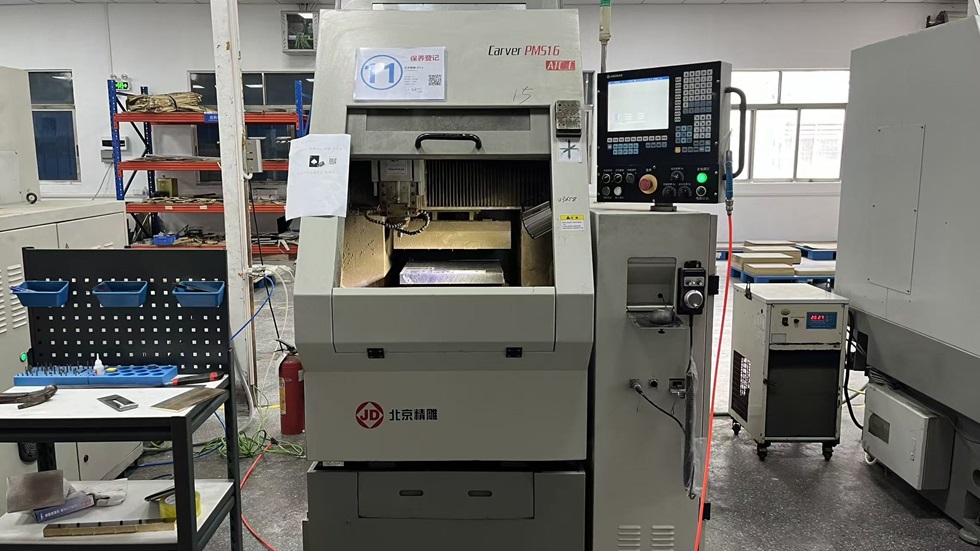
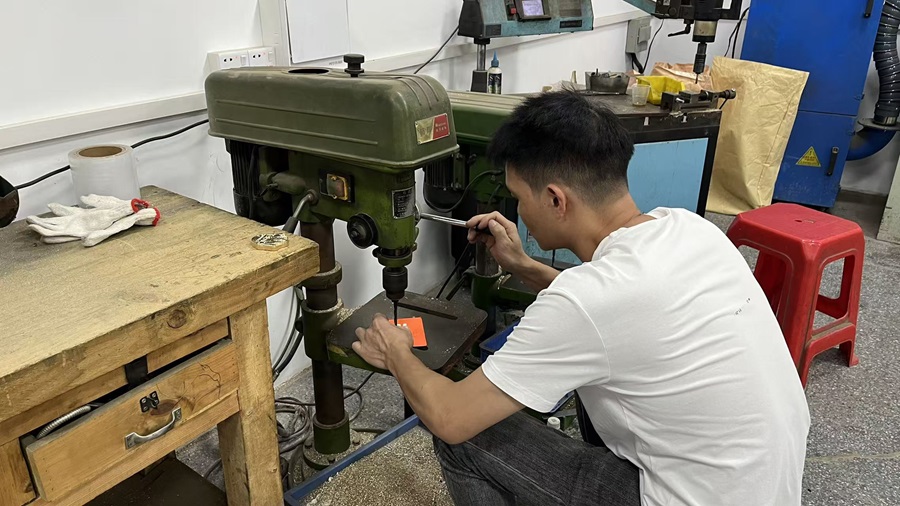
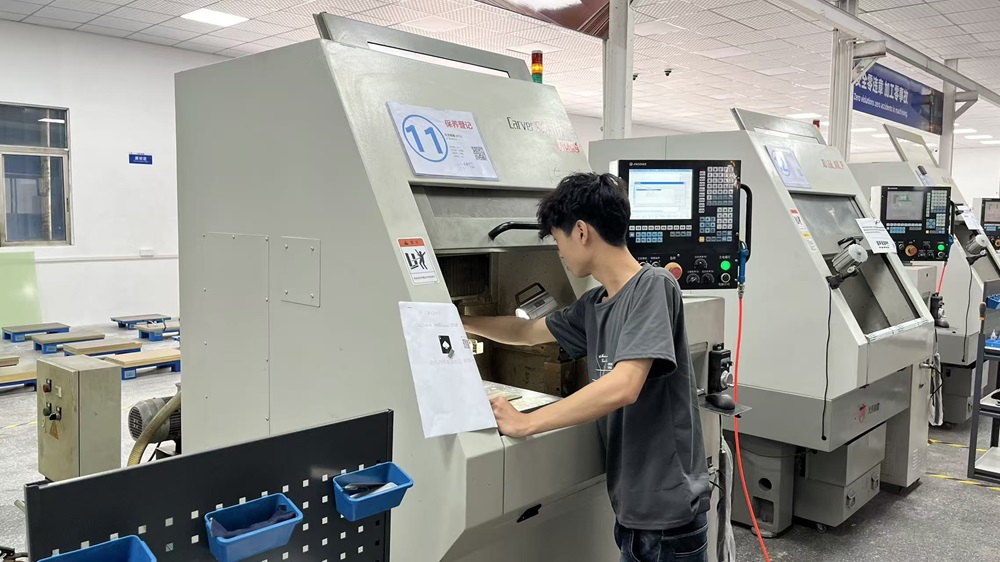
As optical and wireless telecommunications evolve, modern manufacturing factories face novel physics and operational challenges. Procurement teams must understand three key paradigm shifts.
Optical-fiber distribution units, transceivers, and portable Wi-Fi 7 modules require ultra-tight internal spacing. In response, double-color injection molds are deployed to construct multi-functional parts with built-in rubber seals, avoiding complex secondary manual assembly stages and ensuring dust/water ingress protection (IP67/IP68).
Aerospace-grade molds and high-strength alloys allow for the structural redesign of outer frames. Weight reduction of even 15% on overhead line equipment or pole-mounted base stations can dramatically decrease support infrastructure setup and shipping costs.
Global regulations (such as RoHS and WEEE) demand strict oversight of trace chemicals in industrial molds and raw plastics. Partnering with suppliers that implement detailed metal certification checks, raw material traceability, and eco-friendly packaging is now a core requirement for enterprise buyers.
How macro-scale engineering projects translate into tangible, deployment-ready telecommunications solutions.
Sourcing Challenge: High atmospheric heat buildup and moisture ingress inside optical network terminals (ONT) deployed in high-humidity regions.
Engineering Solution: Multi-cavity injection tooling paired with precise hot-runner designs, producing stable thermal dissipation panels and perfect interface gaskets. This extends active PCB lifespans by up to 40%.
Sourcing Challenge: High mechanical load capacity required for high-altitude installation under broad temperature fluctuations (-40°C to +80°C).
Engineering Solution: Processing molds using Alumold 500 tooling platforms, allowing clean high-pressure die casting of lightweight structures that resist environmental degradation.
Sourcing Challenge: Ruggedized, impact-resistant external covers capable of protecting delicate interior telemetry PCBs from heavy manufacturing equipment impact.
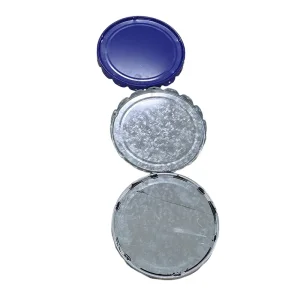
Engineering Solution: Adapting rugged packaging container and thick-wall plastic injection structures (utilizing similar mold systems as heavy-duty industrial bucket lids) to provide maximum structural absorption against heavy impacts.
Procuring from Chinese factories requires a rigorous, data-backed approach to verify E-E-A-T. Use this blueprint during vendor evaluation.
Providing clear, technical answers to the most demanding challenges encountered by procurement officers and mechanical designers.
 Ohio Machine